


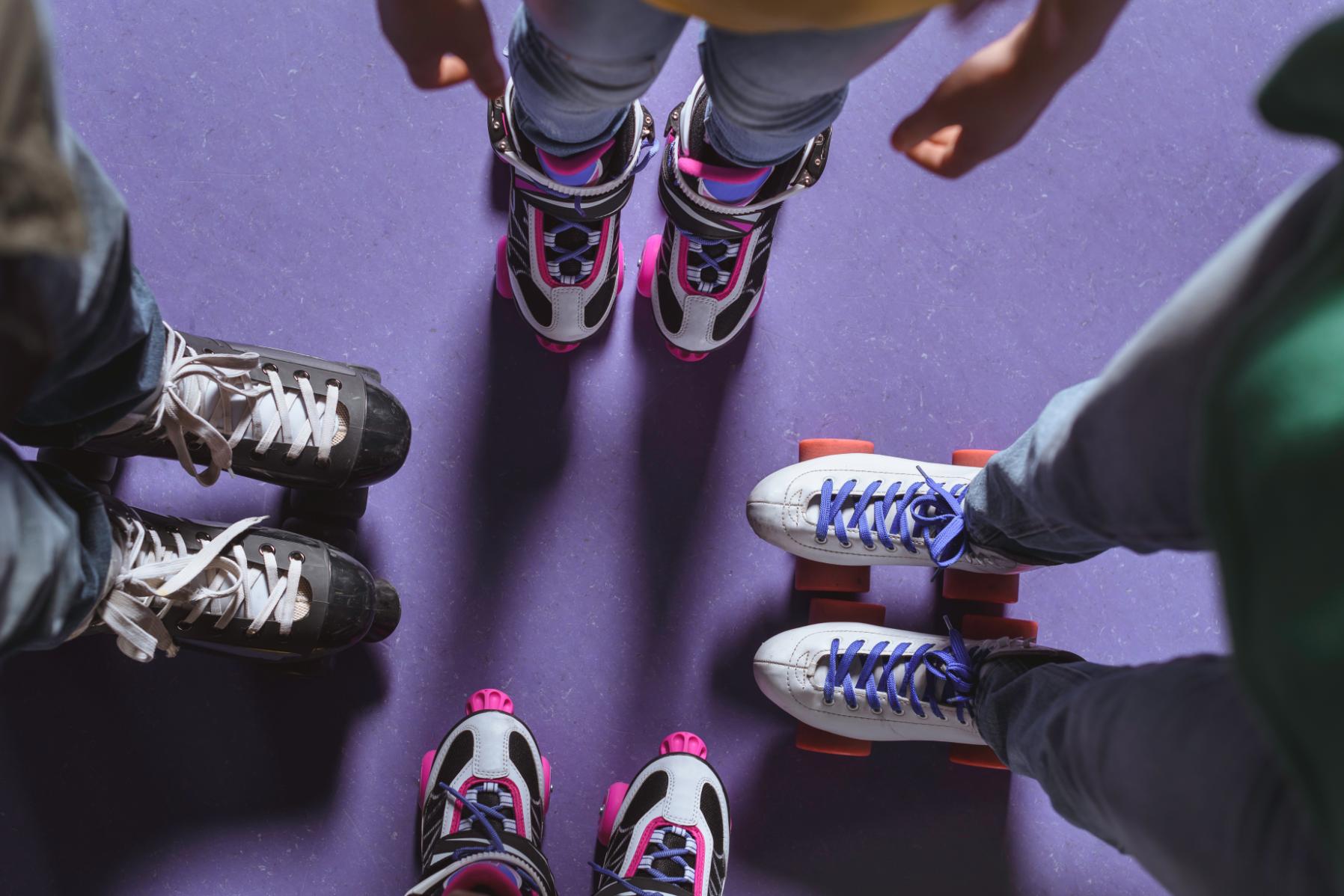
Quick Answer
Getting started in competitive roller skating begins with mastering basic skating skills, practicing consistently, and joining a local skating program that offers coaching and structured training. New skaters in the Liberty, MO area can develop their abilities through regular practice, learning proper techniques, and participating in beginner-friendly competitions before advancing to higher levels.
What Local Readers Should Know
-
Competitive roller skating includes several disciplines, allowing skaters to choose the style that best matches their interests.
-
Consistent practice at a local rink helps build the balance, control, and confidence needed for competition.
-
Families from Liberty, Kansas City, Gladstone, and Kearney often find that local competitions provide valuable experience without extensive travel.
-
Clay County offers an active skating community where beginners can meet experienced skaters and coaches.
-
Starting with strong fundamentals makes progressing into competitive skating much smoother.
Why This Matters Locally
Competitive roller skating continues to grow throughout the Kansas City metro area, giving local skaters more opportunities than ever before. Families in Liberty, MO appreciate activities that can be enjoyed year-round regardless of Missouri's changing weather. During hot summers, rainy spring weekends, or cold winter months, indoor roller skating provides a reliable place to stay active while developing athletic skills.
At Northland Rolladium Skate Center, we enjoy helping skaters discover new goals beyond recreational skating. Whether someone dreams of competing at regional events or simply wants to improve their abilities, every competitive journey starts with learning the basics.
Understanding Competitive Roller Skating
Competitive roller skating includes several different events, each emphasizing unique skills and techniques.
Popular categories include:
-
Artistic skating
-
Dance skating
-
Speed skating
-
Freestyle skating
-
Precision or synchronized team skating
Many beginners are surprised to learn they don't have to specialize immediately. Trying different disciplines allows new competitors to discover what they enjoy most before focusing on advanced training.
Local Field Observations
Based on what we regularly see at local skating centers, many successful competitors begin as recreational skaters who simply wanted to improve. As they gain confidence, they often become interested in learning advanced turns, jumps, spins, choreography, or racing techniques.
Families throughout Liberty, Pleasant Valley, Smithville, and surrounding communities often appreciate that competitive skating offers clear goals while encouraging physical activity and personal growth.
How Competitive Skating Benefits Local Athletes
Competitive skating develops much more than skating ability.
Participants often improve:
-
Balance and coordination
-
Cardiovascular fitness
-
Flexibility
-
Mental focus
-
Discipline
-
Goal setting
-
Sportsmanship
-
Self-confidence
These benefits extend well beyond the skating rink and can positively impact school, work, and other athletic activities.
Signs You're Ready to Try Competition
Many skaters wonder when it's time to move beyond recreational sessions.
Some common signs include:
-
You skate comfortably without needing wall support.
-
You enjoy practicing new skills repeatedly.
-
You can skate forward and backward with confidence.
-
You want to learn spins, jumps, or advanced footwork.
-
You enjoy performing or challenging yourself.
-
You consistently attend skating sessions.
-
You ask questions about lessons or competitions.
You don't need to be an expert before trying beginner competitions. Everyone starts somewhere.
When to Seek Professional Coaching
Professional instruction becomes valuable once you want to develop competitive skills safely and efficiently. Coaches can identify technique issues early before they become habits that are difficult to correct.
They also help skaters:
-
Build proper posture
-
Learn safe falling techniques
-
Develop stronger edge control
-
Improve turns and transitions
-
Prepare for competition requirements
Structured coaching often accelerates progress compared to learning entirely on your own.
Common Challenges for New Competitive Skaters
Most beginners face similar obstacles during their first year.
Building Consistency
Practicing once every few weeks makes improvement difficult. Regular skating sessions help develop muscle memory much faster.
Learning Patience
Advanced skating skills require repetition. Small improvements eventually lead to significant progress.
Managing Nerves
Feeling nervous before performing or competing is completely normal. Smaller local events provide excellent opportunities to gain experience.
Choosing the Right Equipment
Properly fitted skates can make learning more comfortable and efficient. Competitive disciplines may eventually require specialized equipment, but beginners often start with quality recreational or entry-level artistic skates.
Prevention and Skill Development
Developing strong habits early helps prevent injuries and improves long-term performance.
Good practices include:
-
Warming up before skating
-
Stretching after practice
-
Wearing appropriate protective equipment when recommended
-
Staying hydrated
-
Practicing proper skating posture
-
Resting when overly fatigued
-
Listening carefully to coaching feedback
These habits support steady improvement throughout every stage of development.
What Progress Looks Like
Every skater progresses differently, but beginners often notice improvements in balance and confidence within several weeks of regular practice.
As training continues, skaters may begin learning:
-
Crossovers
-
One-foot glides
-
Spins
-
Basic jumps
-
Dance patterns
-
Choreographed routines
-
Competition etiquette
Progress comes from consistent effort rather than rushing through skills.
Common Mistakes Beginners Make
Mistake: Comparing yourself to experienced competitors.
Consequence: Becoming discouraged too early.
Better Approach: Focus on personal improvement and celebrate each new skill.
Mistake: Skating only occasionally.
Consequence: Slower progress.
Better Approach: Maintain a consistent practice schedule.
Mistake: Skipping basic skills.
Consequence: Difficulty learning advanced techniques.
Better Approach: Build a strong foundation before attempting complex moves.
Mistake: Practicing with poor technique.
Consequence: Developing habits that require correction later.
Better Approach: Learn proper mechanics from qualified instruction.
A Common Local Scenario
A family in Liberty discovers that their child enjoys every public skating session and wants more of a challenge. They begin taking lessons, practicing weekly, and participating in beginner events around the Kansas City area. Over time, the skater gains confidence, develops friendships, and continues progressing through increasingly advanced skills while enjoying the supportive local skating community.
Related Skating Programs
Competitive skating often begins with foundational instruction before progressing into more advanced training.
Programs may include:
-
Beginner skating lessons
-
Intermediate skill development
-
Artistic skating instruction
-
Practice sessions
-
Youth skating programs
-
Adult skating opportunities
-
Competition preparation
Contact us to learn about skating lessons, practice opportunities, and competitive skating programs
Comparing Your Options
| Option | Best For | Benefits |
|---|---|---|
| Recreational skating | Casual enjoyment | Flexible schedule and fun exercise |
| Group lessons | New competitors | Structured learning with peers |
| Private coaching | Faster skill development | Individualized instruction and feedback |
| Competitive programs | Goal-oriented skaters | Performance opportunities and advanced training |
Serving the Northland Community
We proudly welcome skaters from Liberty, Kansas City, Gladstone, Kearney, Smithville, and communities throughout Clay County. Whether you're completely new to skating or ready to explore competitive opportunities, we're excited to help you grow your skills close to home.
The Cost of Waiting
Waiting too long to begin practicing can delay skill development, especially for skaters hoping to participate in future competitions. Starting now allows more time to build confidence, improve technique, and enjoy the learning process at a comfortable pace.
Ready to take your skating beyond recreational sessions?
Frequently Asked Questions
Is competitive roller skating available for beginners in Liberty, MO?
Yes. Beginners in Liberty, MO can start with foundational lessons and gradually work toward beginner competitions as their skills improve. Everyone begins with learning basic techniques before advancing.
What age can someone begin competitive roller skating?
Many children begin skating at a young age, but there is no single starting age. Teenagers and adults can also enjoy competitive skating and continue progressing at their own pace.
Do I need expensive equipment to get started?
No. Most beginners can start with quality skates that fit properly. Specialized equipment may become helpful later depending on the skating discipline you choose.
How often should I practice?
Most beginners benefit from skating multiple times each week. Consistency generally produces better results than occasional long practice sessions.
Are there competitions near Liberty, MO?
Yes. Skaters throughout the Kansas City region often have opportunities to participate in local and regional competitions as they gain experience.
Can adults compete in roller skating?
Absolutely. Competitive roller skating includes opportunities for adults at many skill levels, making it a lifelong activity for many participants.
Is artistic skating the only competitive option?
No. Artistic skating is just one discipline. Speed skating, dance skating, freestyle events, and team competitions also offer exciting opportunities.
How do I know if competitive skating is right for me?
If you enjoy learning new skills, practicing regularly, and setting personal goals, competitive skating may be an excellent next step regardless of your current experience level.
Ready to Begin Your Competitive Skating Journey?
Whether you're taking your very first skating lesson or preparing to enter your first competition, we're here to help you build skills in a supportive environment.