


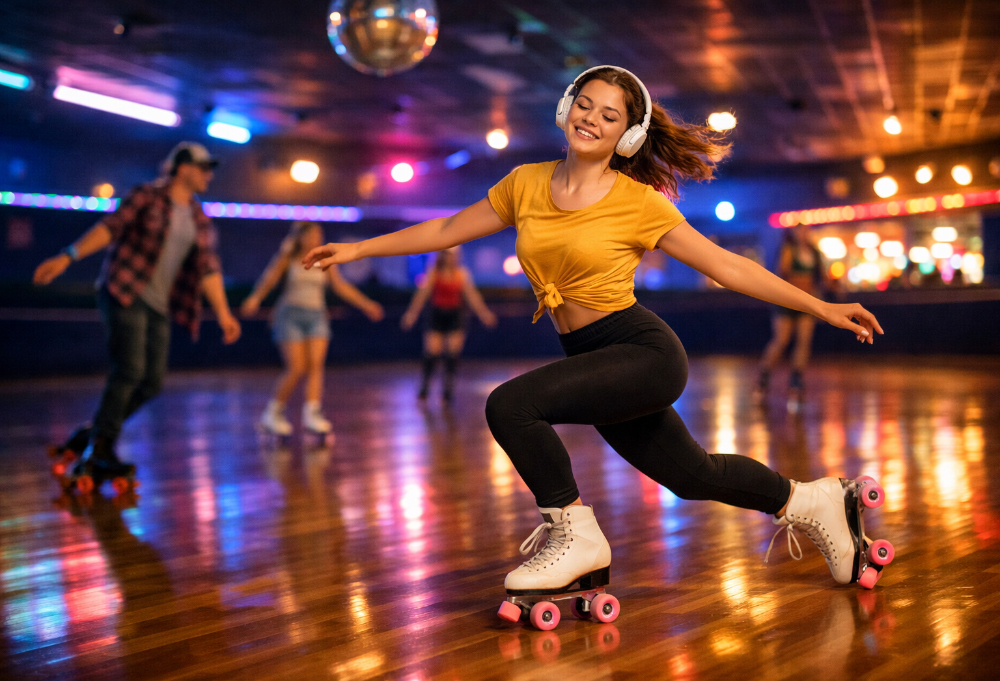
Understanding Flow State and Skating
Flow state, a concept popularized by psychologist Mihaly Csikszentmihalyi, refers to a mental state of complete immersion and engagement in an activity. When you achieve flow, you lose track of time and self-consciousness, entering a zone where your skills perfectly match the challenge at hand. Flow state in skating occurs when you glide smoothly across pavement or rinks, your movements becoming automatic and intuitive. The rhythmic nature of roller skating creates an ideal environment for entering this coveted psychological state.
When skaters reach flow during their sessions, they experience a profound sense of present-moment awareness. Your mind stops dwelling on past worries or future anxieties, instead focusing entirely on the physical sensations of movement, balance, and rhythm. This mental shift is remarkably therapeutic. Unlike activities that require constant external attention or decision-making, skating allows your conscious mind to relax while your body operates with practiced efficiency. The natural cadence of skating, combined with the sensory feedback from wheels on pavement, creates a meditative experience that rivals traditional mindfulness practices.
The beauty of achieving flow state in skating lies in its accessibility. You do not need to be an elite athlete or experienced skater. Beginners can achieve flow once they have mastered basic skills, while advanced skaters can continually deepen their flow experience by exploring new terrain, speeds, or skating styles.
Stress Relief and Anxiety Reduction
Roller skating for mental health serves as an exceptionally effective stress management tool. When you engage in this rhythmic physical activity, your body releases endorphins, the natural chemicals responsible for improving mood and reducing pain perception. However, the stress-relieving benefits extend far beyond simple endorphin release.
The meditative quality of flow skating significantly reduces anxiety symptoms. As you glide smoothly through space, your nervous system begins to calm. The repetitive, predictable movements of skating help regulate your breathing and heart rate, signaling to your brain that you are safe. This physiological shift reduces cortisol levels, the primary stress hormone that accumulates during periods of worry or tension.
Many people who struggle with anxiety disorders report that roller skating provides relief comparable to professional therapy sessions. The combination of physical exertion, fresh air, and the meditative flow state creates a powerful anxiety-reducing experience. Unlike some exercise forms that feel like obligations or work, skating often feels like play, making it easier to maintain as a consistent practice. This consistency amplifies the mental health benefits over time.
Additionally, skating outdoors exposes you to natural sunlight and fresh air, factors that independently contribute to reduced anxiety and improved mood regulation. The combination of outdoor exposure, physical activity, and flow state creates a synergistic mental health effect.
Enhancing Mood and Combating Depression
Depression often involves a sense of heaviness, lethargy, and disconnection from the world. Roller skating for mental health directly addresses these symptoms through multiple mechanisms. The physical activity component triggers the release of serotonin, a neurotransmitter crucial for maintaining stable mood. Regular skating sessions can be as effective as some antidepressant medications for mild to moderate depression symptoms.
Beyond chemistry, flow state in skating provides psychological benefits that combat depression. When you achieve flow, you experience genuine joy and engagement with life. This sense of vitality and presence directly counteracts the numbness and disconnection characteristic of depression. The accomplishment of mastering new skills, whether improving your speed, learning tricks, or exploring new routes, provides a sense of progress and competence that strengthens self-esteem.
Furthermore, skating often takes place in social settings. Community skate groups, evening sessions at local rinks, and casual meetups with fellow skaters create opportunities for social connection. Social isolation is a significant risk factor for depression, while positive social interactions powerfully contribute to mental well-being. Many skaters report that their communities have become sources of genuine friendship and support.
Building Confidence and Self-Esteem
The progressive nature of roller skating provides consistent opportunities for personal achievement and growth. As you improve your skills, you experience tangible evidence of your capabilities. Mastering new techniques, achieving greater speed, or successfully navigating challenging terrain all contribute to a strengthened sense of competence and self-efficacy.
Flow state in skating amplifies these confidence benefits. When you achieve flow, you operate at your optimal performance level, executing movements with grace and control. This experience of performing at your best, even for brief periods, profoundly impacts your self-perception. You internalize the belief that you are capable, athletic, and resilient.
Additionally, the body-positive aspects of roller skating strengthen self-esteem. Skating celebrates bodies in motion rather than focusing on appearance. The skating community, particularly in recent years, has become increasingly inclusive and body-positive. This cultural context allows people of all body types to feel welcome and valued, directly countering the body shame and appearance anxiety that plague many individuals in society.
Fostering Mindfulness and Present-Moment Awareness
Roller skating for mental health naturally cultivates mindfulness, the practice of maintaining non-judgmental awareness of the present moment. As you skate, you must remain alert to your body position, balance, surrounding terrain, and potential obstacles. This engagement with the present moment is the essence of mindfulness practice.
Unlike formal meditation, which some people find challenging or boring, flow state in skating makes mindfulness feel effortless and enjoyable. Your mind naturally stays anchored in present-moment awareness because safety and enjoyment depend on it. Over time, this habitual present-moment focus extends beyond skating sessions, improving your overall capacity for mindfulness in daily life.
Regular skaters report improvements in attention span, reduced rumination about worries, and greater emotional regulation. These outcomes directly result from the mindfulness training that skating provides. Your brain, through repeated practice, becomes increasingly skilled at sustaining present-moment awareness and less prone to anxiety-producing rumination.
The sensory richness of skating experiences also deepens mindfulness. The feel of wheels beneath your feet, the wind on your skin, the sound of your wheels, the visual stimulation of changing scenery, and the proprioceptive feedback from your body all anchor you in immediate sensory experience.
Conclusion
Roller skating for mental health represents a powerful, accessible, and enjoyable approach to psychological wellness. Through the mechanism of achieving flow state in skating, individuals can experience profound stress relief, improved mood, enhanced confidence, and deepened mindfulness. Whether you are struggling with anxiety, depression, low self-esteem, or simply seeking to enhance your overall mental well-being, roller skating offers a path forward. The combination of physical activity, meditative flow, social connection, and genuine enjoyment makes flow skating a remarkable tool for mental health that deserves a prominent place in any wellness routine.